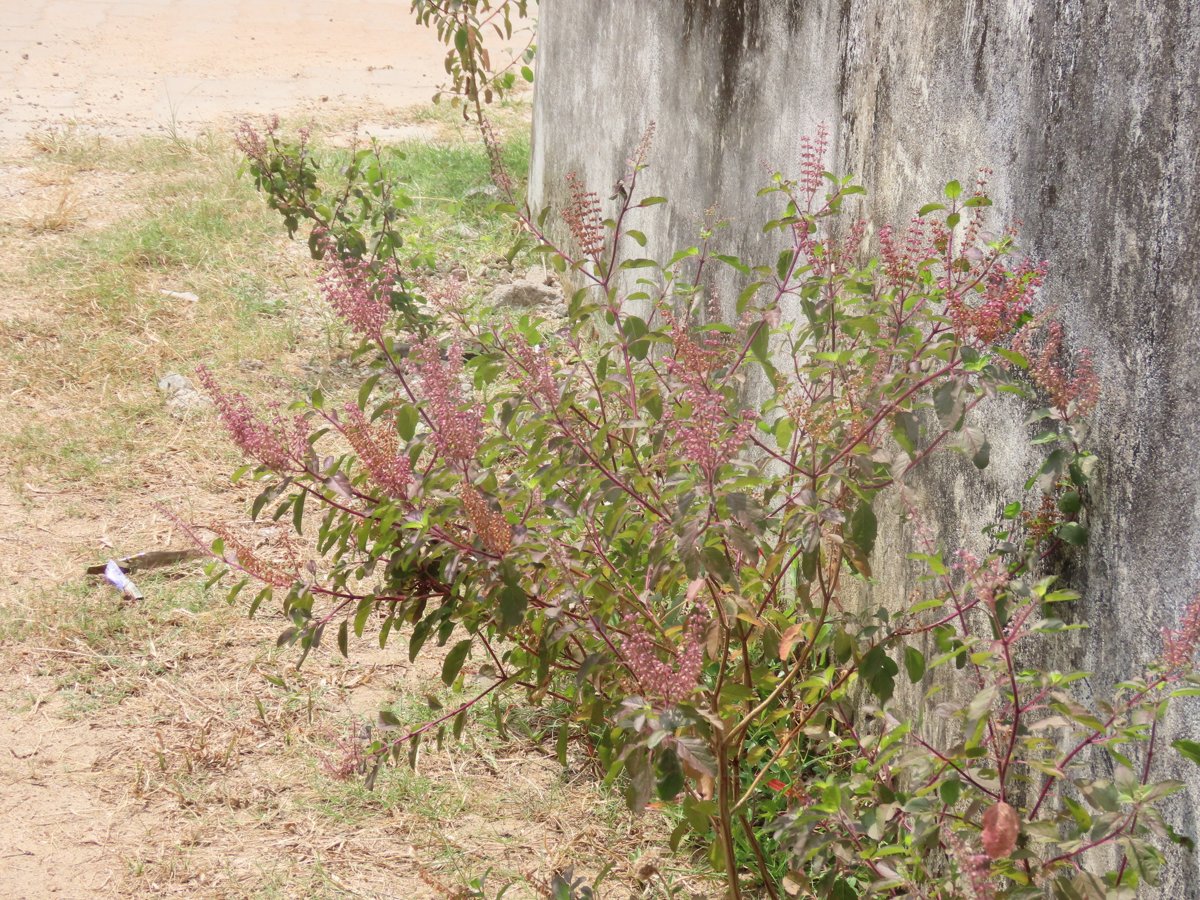
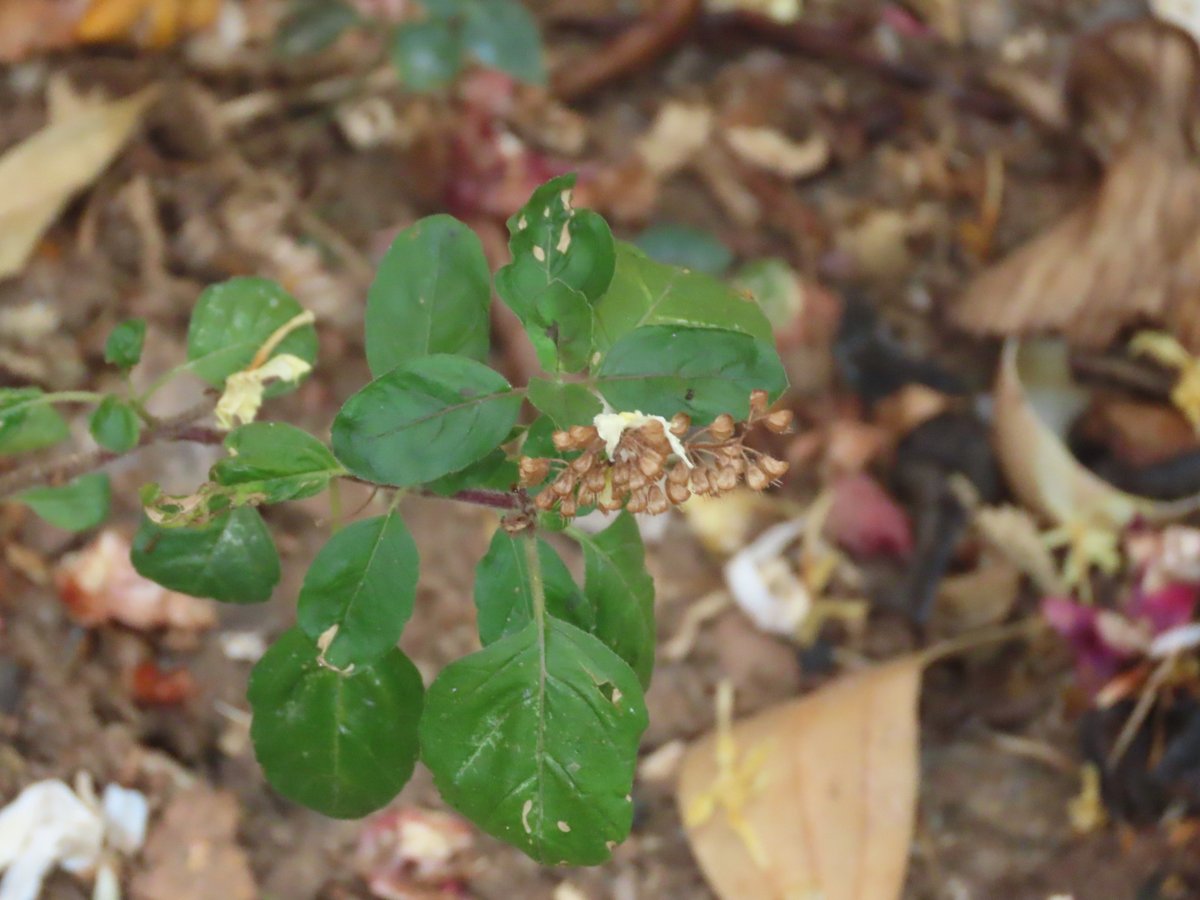
Tulsi / Holy Basil
Ocimum sanctum
Generally Safe
evidence: limited
Ocimum sanctum
| Scientific Name | Ocimum sanctum |
| Safety Rating | Generally Safe |
| Evidence Level | limited |
Holy Basil (Ocimum sanctum) is a leafy herbaceous shrub commonly harvested for its aromatic leaves. It is used as an adaptogen that supports immunity, helps manage blood sugar levels, and reduces inflammation; it is also employed to ease cold and flu symptoms and to improve cardiovascular and metabolic health. Pregnant or breastfeeding women and people on blood‑pressure or blood‑sugar medications should use caution, as Holy Basil can lower blood sugar and blood pressure and may interact with other drugs.
Source: WHO Monographs on Selected Medicinal Plants (Vols 1-3)
50 products from NIH DSLD database (verified label data)
| Herb | Scientific Name | Why related |
|---|---|---|
 Sweet Basil |
Ocimum basilicum | shares 774 product(s) |
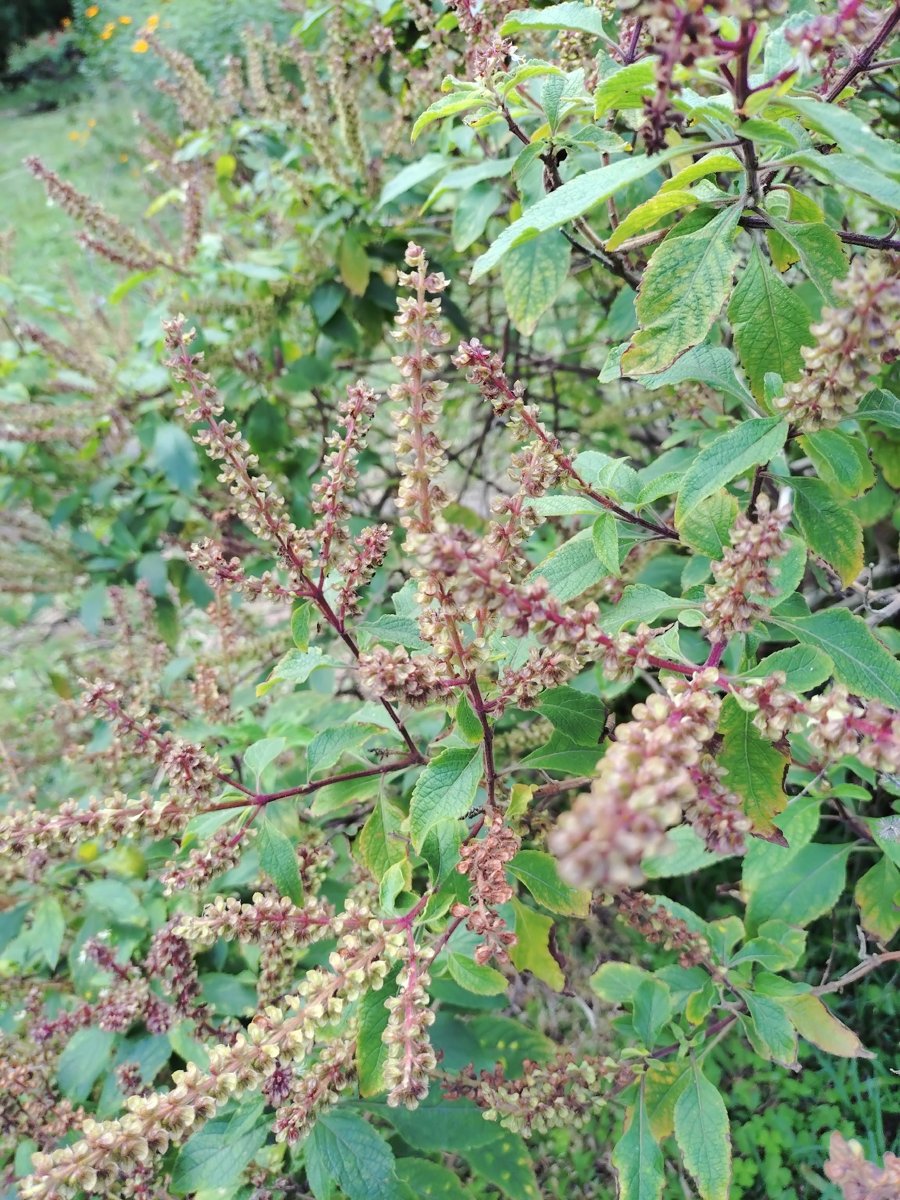 African Basil |
Ocimum gratissimum | shares 772 product(s) |
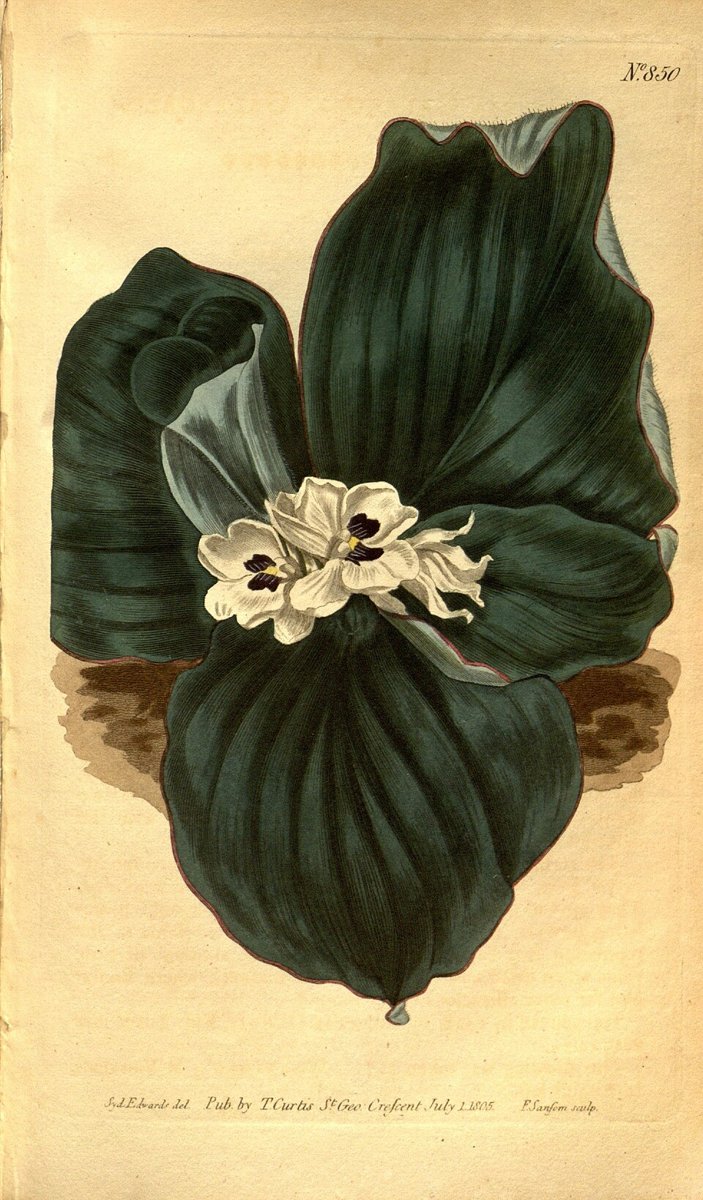 Sand Ginger |
Kaempferia galanga | shares 209 product(s) |
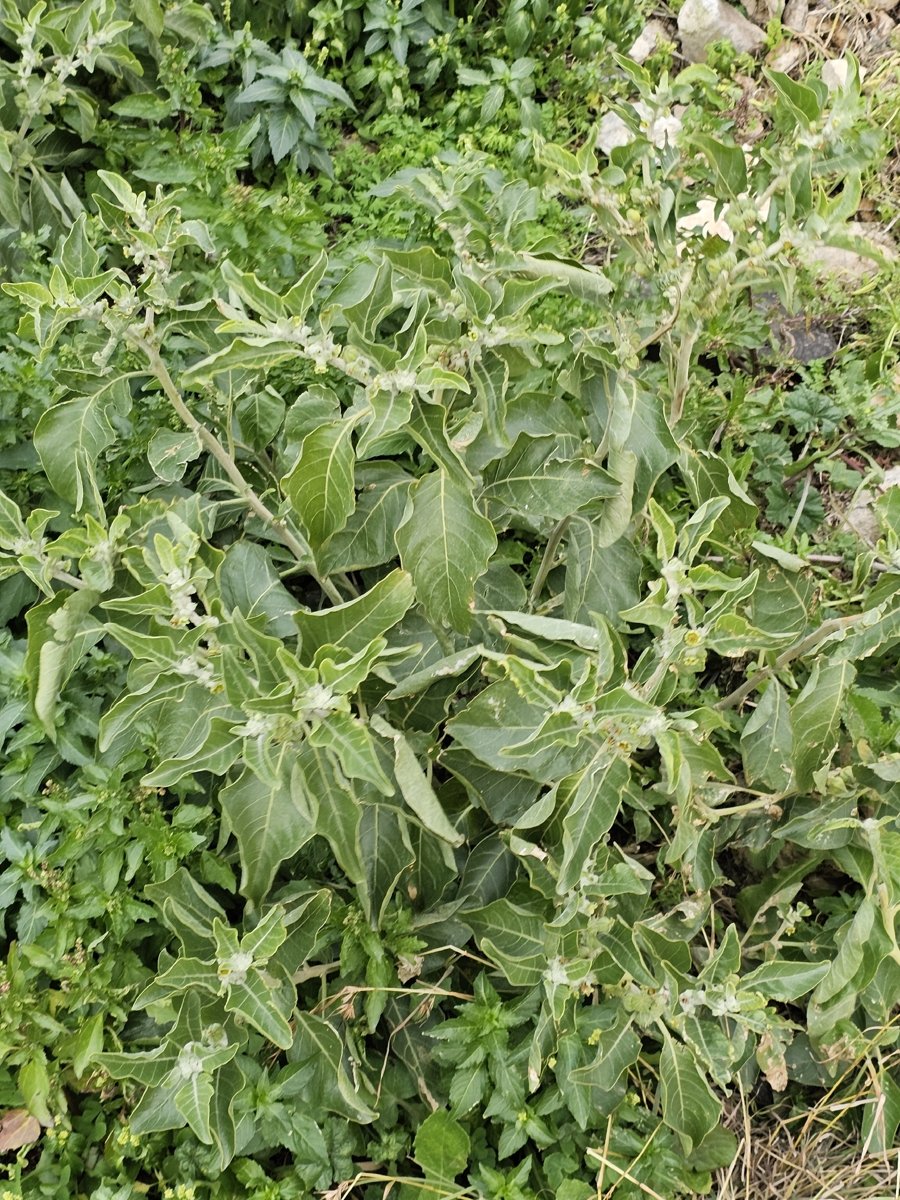 Ashwagandha |
Withania somnifera | shares 184 product(s) |
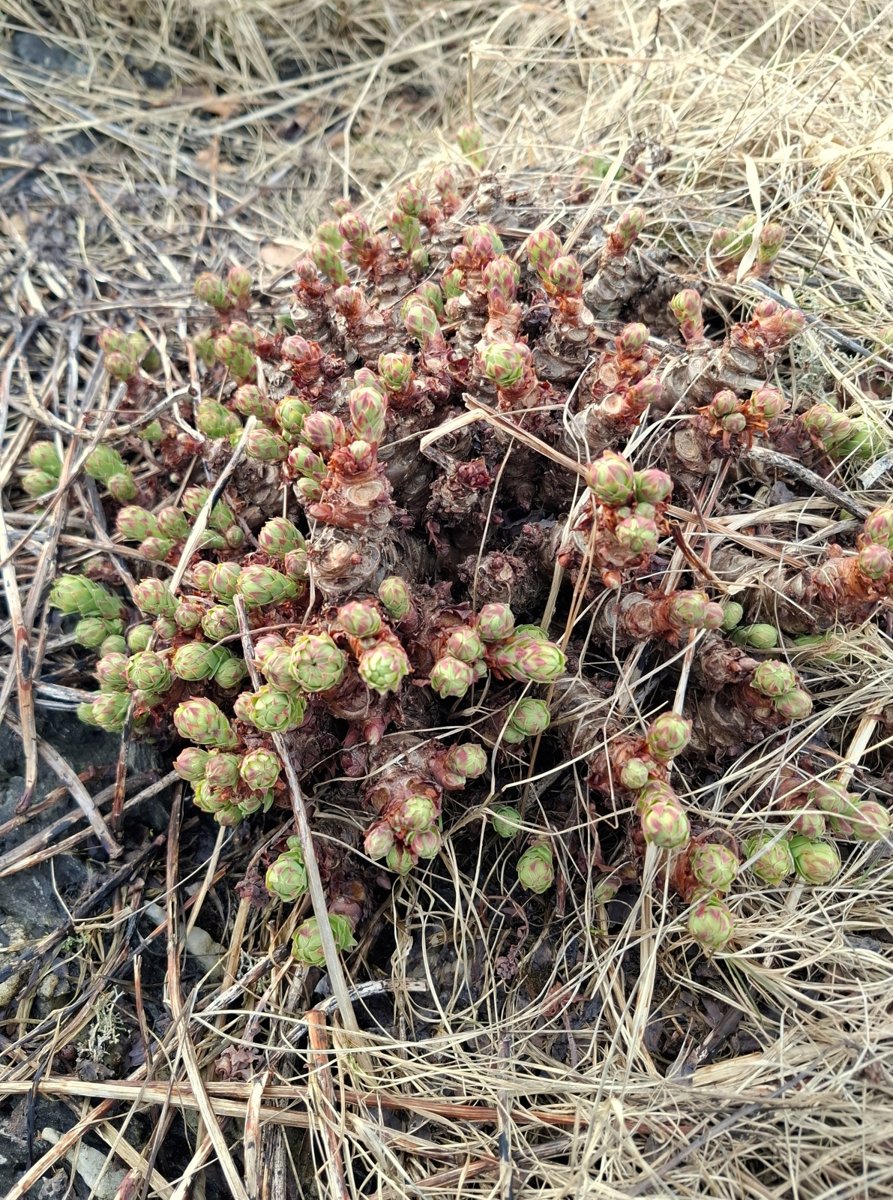 Rhodiola |
Rhodiola rosea | shares 172 product(s) |
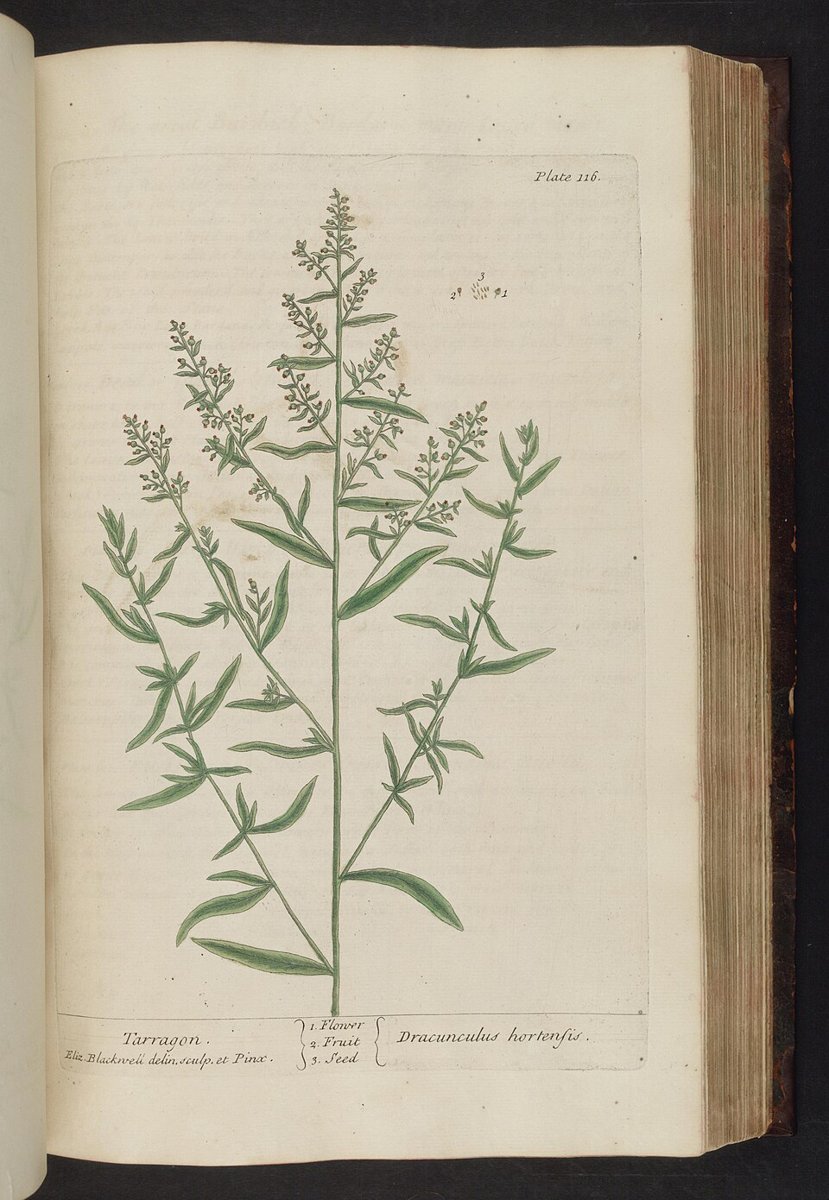 Tarragon |
Artemisia dracunculus | similar summary terms |
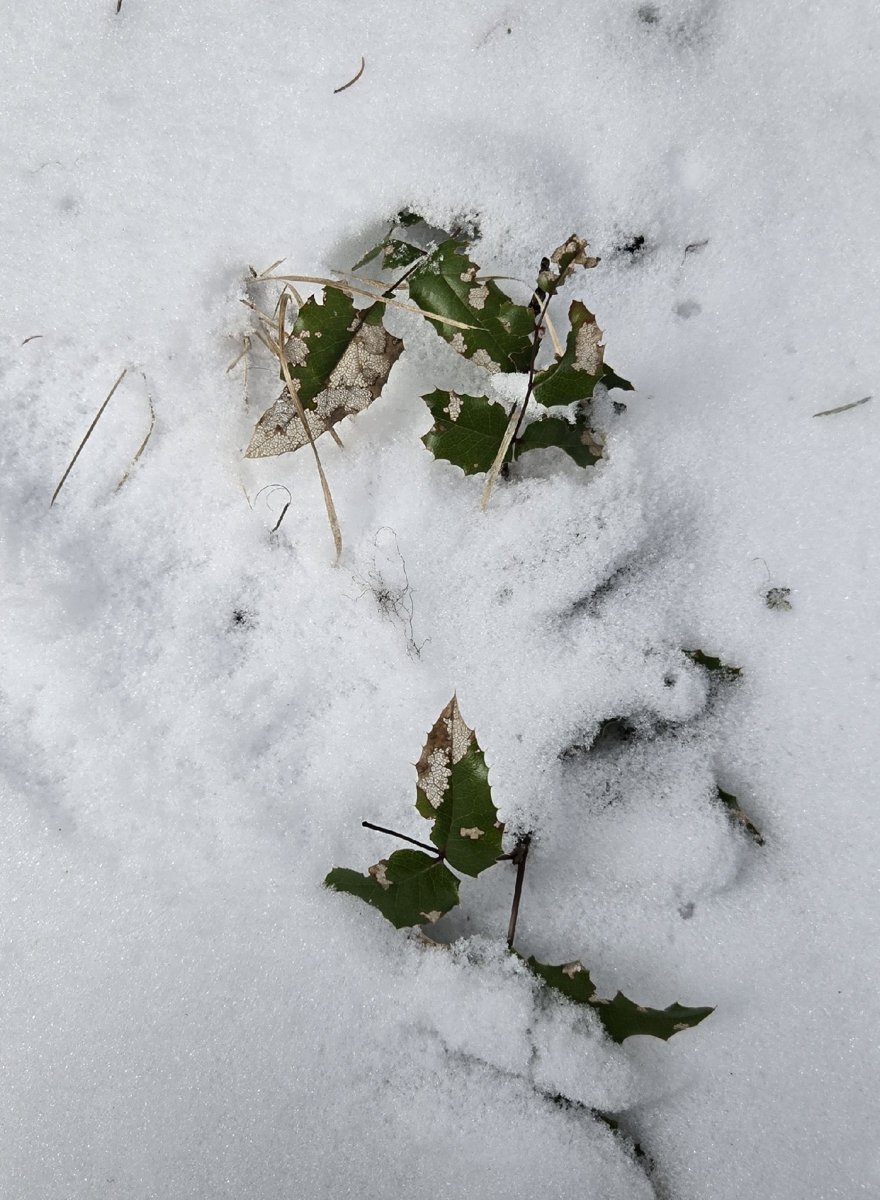 Berberis aquifolium |
 similar summary terms |
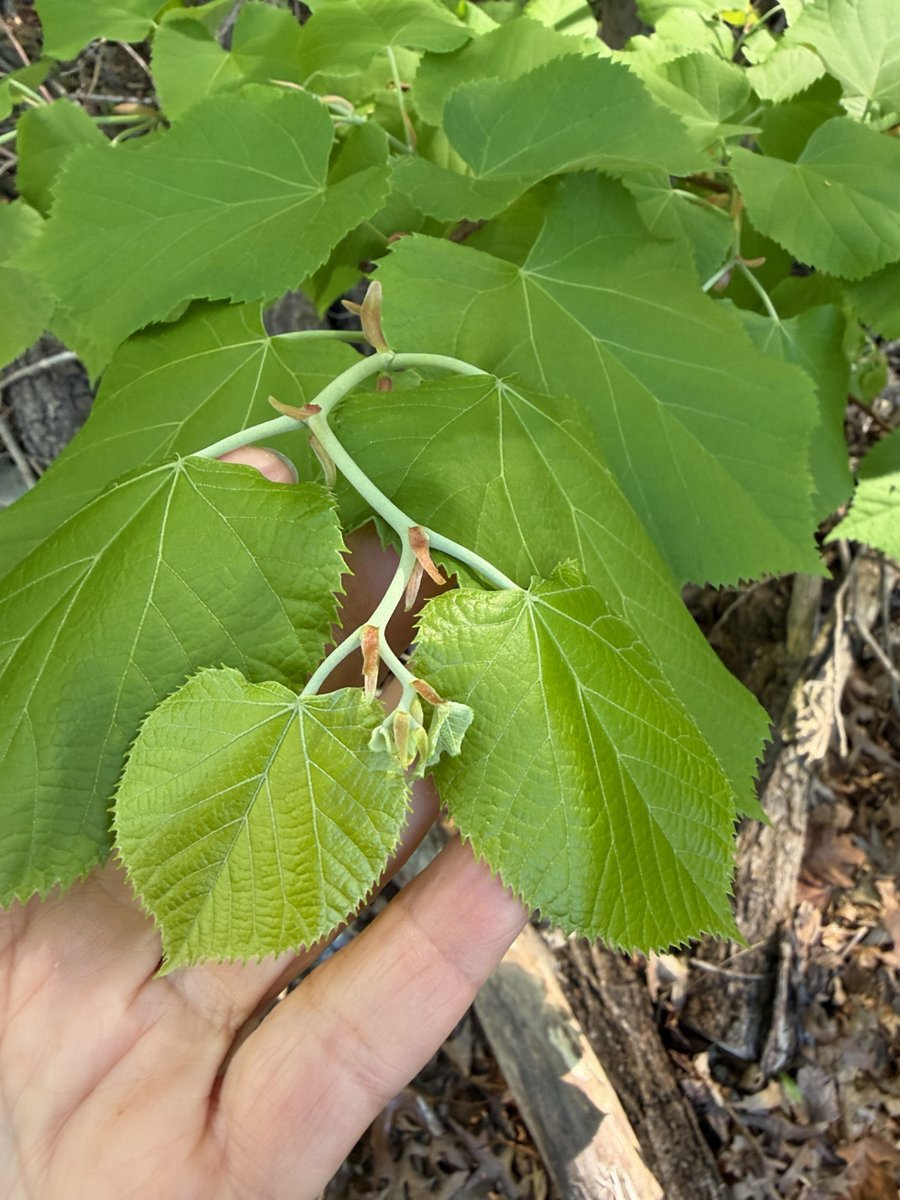 Silver Linden |
Tilia tomentosa | similar summary terms |
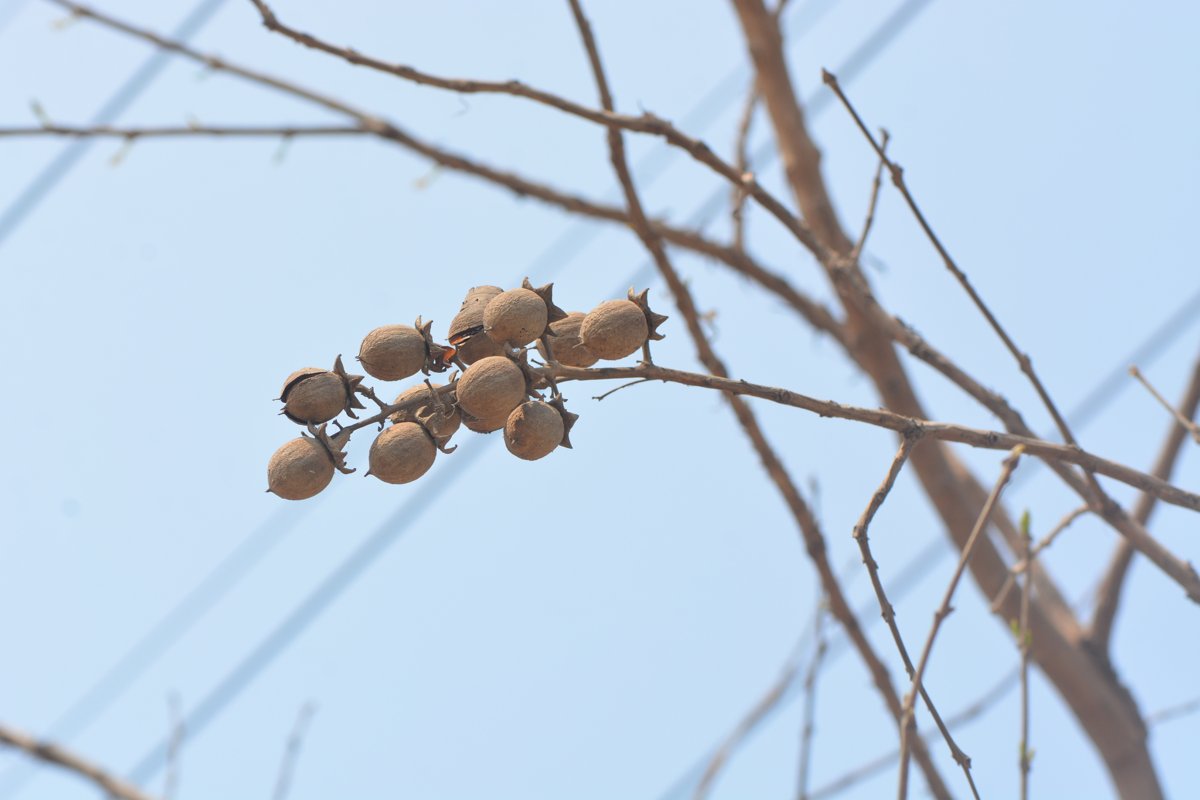 Banaba |
Lagerstroemia speciosa | similar summary terms |
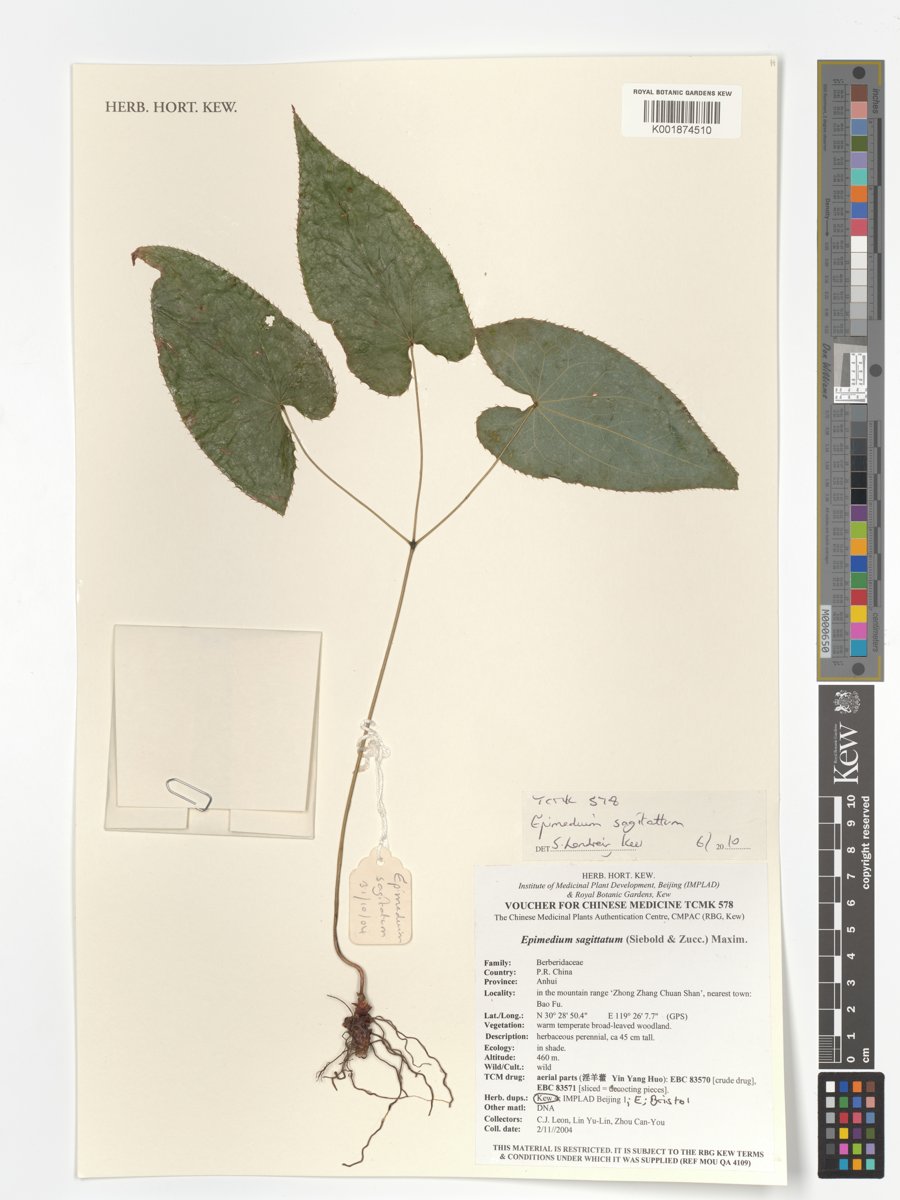 Horny Goat Weed |
Epimedium sagittatum | similar summary terms |
Ask the RAG about Tulsi / Holy Basil — get evidence-based answers from WHO monographs and pharmacognosy textbooks.
Or browse the product search to find more products.